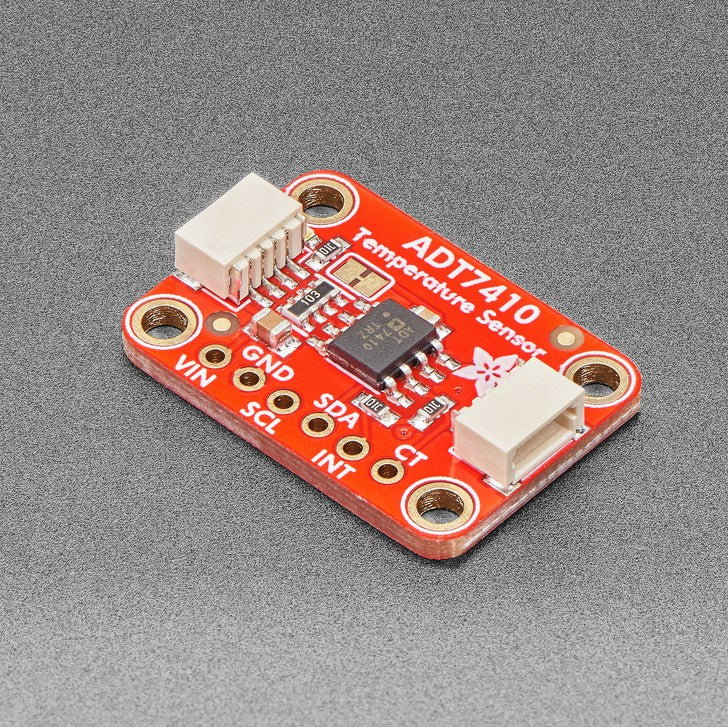
ADT7410 High Accuracy I2C Temperature Sensor Breakout Board
Analog Devices, known for their reliable and well-documented sensor chips - has a high precision and high resolution temperature sensor on the market, and Adafruit have got a breakout to make it easy to use!
The Analog Devices ADT7410 gets straight to the point - it's an I2C temperature sensor, with 16-bit 0.0078°C temperature resolution and 0.5°C temperature tolerance. Wire it up to your microcontroller or single-board computer to get reliable temperature readings with ease
The ADT7410 has 2 address pins, so you can have up to 4 sensors on one I2C bus. There's also interrupt and critical-temperature alert pins. The sensor is good from 2.7V to 5.5V power and logic, for easy integration.
Adafruit have both Arduino (C/C++) and CircuitPython (Python 3) libraries available so you can use it with any microcontroller like Arduino, ESP8266, Metro, etc or with Raspberry Pi or other Linux computers thanks to Blinka (Adafruit's CircuitPython library support helper).
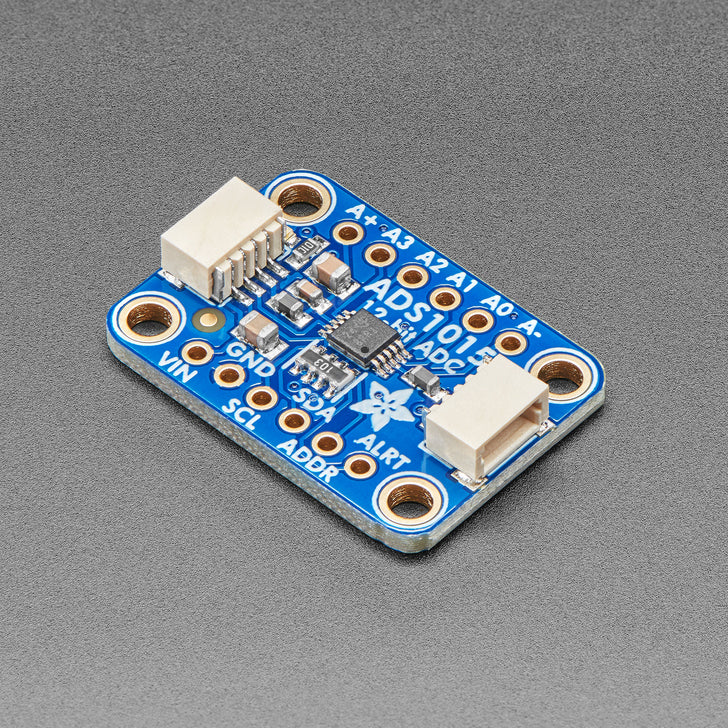
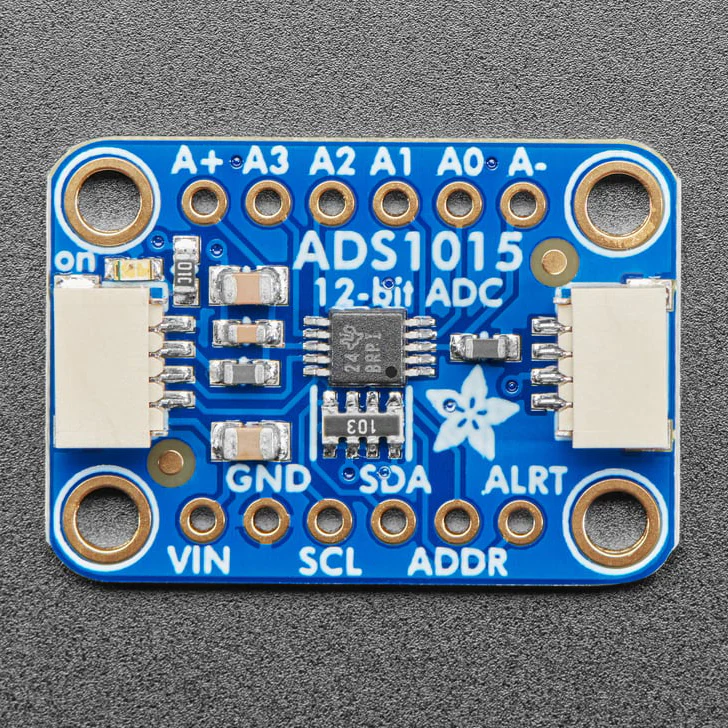
To get you going fast, Adafruit spun up a custom made PCB with the ADT7410 and some supporting circuitry such as pullup resistors and capacitors, in the STEMMA QT form factor, making them easy to interface with. The STEMMA QT connectors on either side are compatible with the SparkFun Qwiic I2C connectors. This allows you to make solderless connections between your development board and the ADT7410 or to chain them with a wide range of other sensors and accessories using a compatible cable. QT Cable is not included, but we have a variety in the shop.
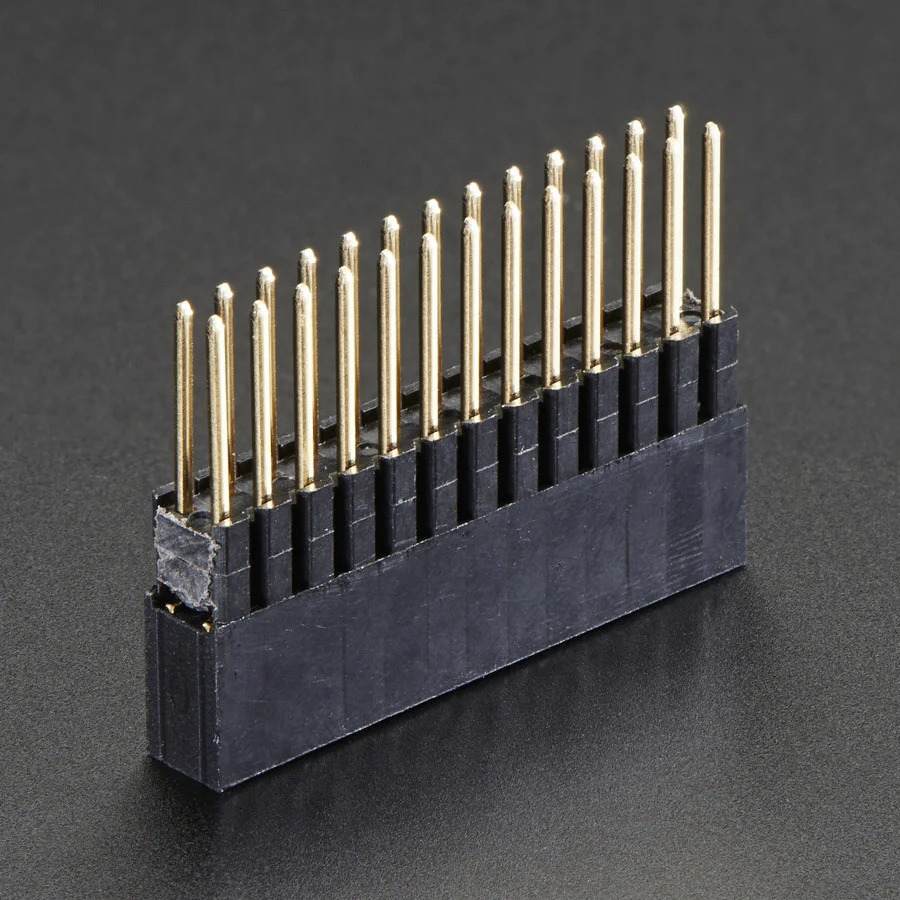
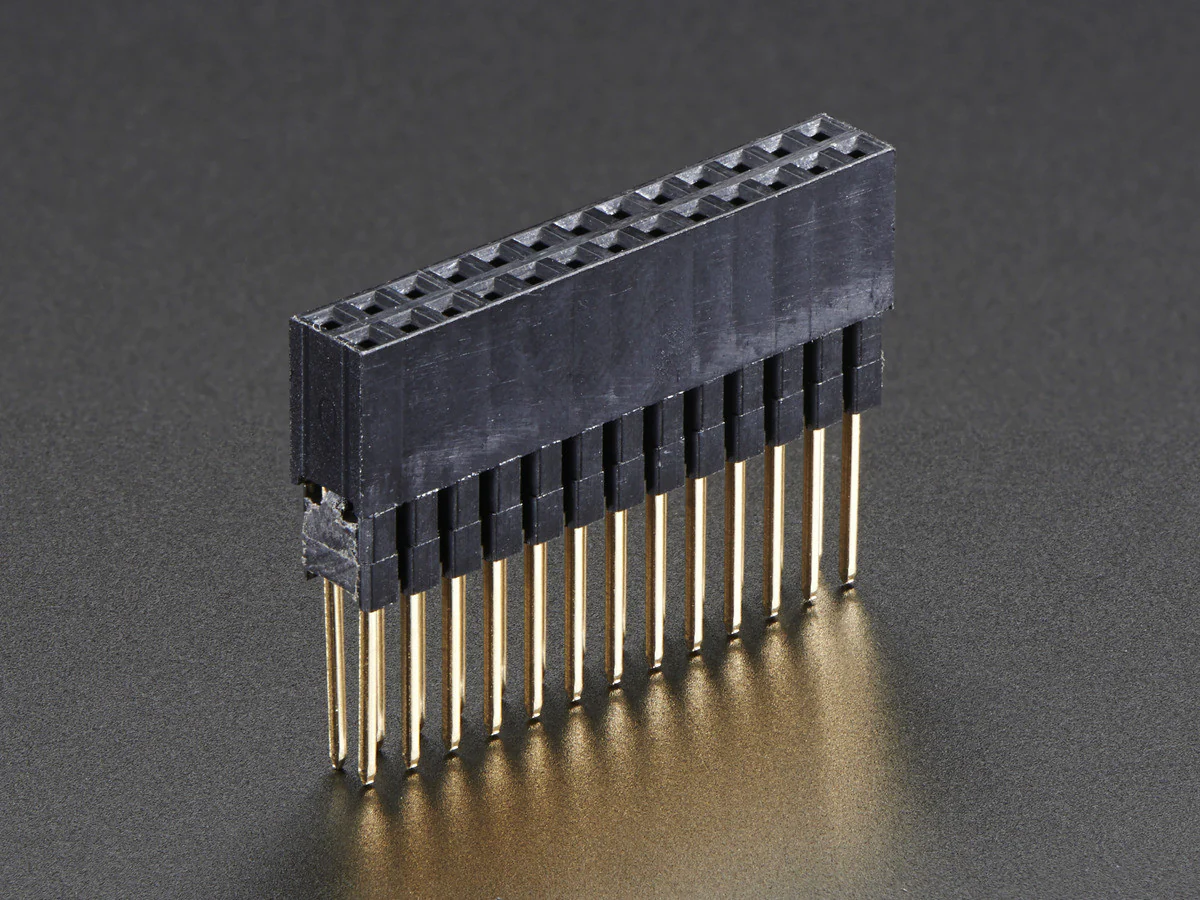
Each order comes with a fully tested and assembled breakout and some header for soldering to a PCB or breadboard. You'll be up and running in under 5 minutes!
Thanks to Digi-Key and Analog Devices for sponsoring the development of this breakout board - we've made the PCB "Digi-Key red" in their honor!
More Images


ADT7410 High Accuracy I2C Temperature Sensor Breakout Board
Analog Devices, known for their reliable and well-documented sensor chips - has a high precision and high resolution temperature sensor on the market, and Adafruit have got a breakout to make it easy to use!
The Analog Devices ADT7410 gets straight to the point - it's an I2C temperature sensor, with 16-bit 0.0078°C temperature resolution and 0.5°C temperature tolerance. Wire it up to your microcontroller or single-board computer to get reliable temperature readings with ease
The ADT7410 has 2 address pins, so you can have up to 4 sensors on one I2C bus. There's also interrupt and critical-temperature alert pins. The sensor is good from 2.7V to 5.5V power and logic, for easy integration.
Adafruit have both Arduino (C/C++) and CircuitPython (Python 3) libraries available so you can use it with any microcontroller like Arduino, ESP8266, Metro, etc or with Raspberry Pi or other Linux computers thanks to Blinka (Adafruit's CircuitPython library support helper).
To get you going fast, Adafruit spun up a custom made PCB with the ADT7410 and some supporting circuitry such as pullup resistors and capacitors, in the STEMMA QT form factor, making them easy to interface with. The STEMMA QT connectors on either side are compatible with the SparkFun Qwiic I2C connectors. This allows you to make solderless connections between your development board and the ADT7410 or to chain them with a wide range of other sensors and accessories using a compatible cable. QT Cable is not included, but we have a variety in the shop.
Each order comes with a fully tested and assembled breakout and some header for soldering to a PCB or breadboard. You'll be up and running in under 5 minutes!
Thanks to Digi-Key and Analog Devices for sponsoring the development of this breakout board - we've made the PCB "Digi-Key red" in their honor!
Product Information
Product Information
Shipping & Returns
Shipping & Returns
Description
Analog Devices, known for their reliable and well-documented sensor chips - has a high precision and high resolution temperature sensor on the market, and Adafruit have got a breakout to make it easy to use!
The Analog Devices ADT7410 gets straight to the point - it's an I2C temperature sensor, with 16-bit 0.0078°C temperature resolution and 0.5°C temperature tolerance. Wire it up to your microcontroller or single-board computer to get reliable temperature readings with ease
The ADT7410 has 2 address pins, so you can have up to 4 sensors on one I2C bus. There's also interrupt and critical-temperature alert pins. The sensor is good from 2.7V to 5.5V power and logic, for easy integration.
Adafruit have both Arduino (C/C++) and CircuitPython (Python 3) libraries available so you can use it with any microcontroller like Arduino, ESP8266, Metro, etc or with Raspberry Pi or other Linux computers thanks to Blinka (Adafruit's CircuitPython library support helper).
To get you going fast, Adafruit spun up a custom made PCB with the ADT7410 and some supporting circuitry such as pullup resistors and capacitors, in the STEMMA QT form factor, making them easy to interface with. The STEMMA QT connectors on either side are compatible with the SparkFun Qwiic I2C connectors. This allows you to make solderless connections between your development board and the ADT7410 or to chain them with a wide range of other sensors and accessories using a compatible cable. QT Cable is not included, but we have a variety in the shop.
Each order comes with a fully tested and assembled breakout and some header for soldering to a PCB or breadboard. You'll be up and running in under 5 minutes!
Thanks to Digi-Key and Analog Devices for sponsoring the development of this breakout board - we've made the PCB "Digi-Key red" in their honor!